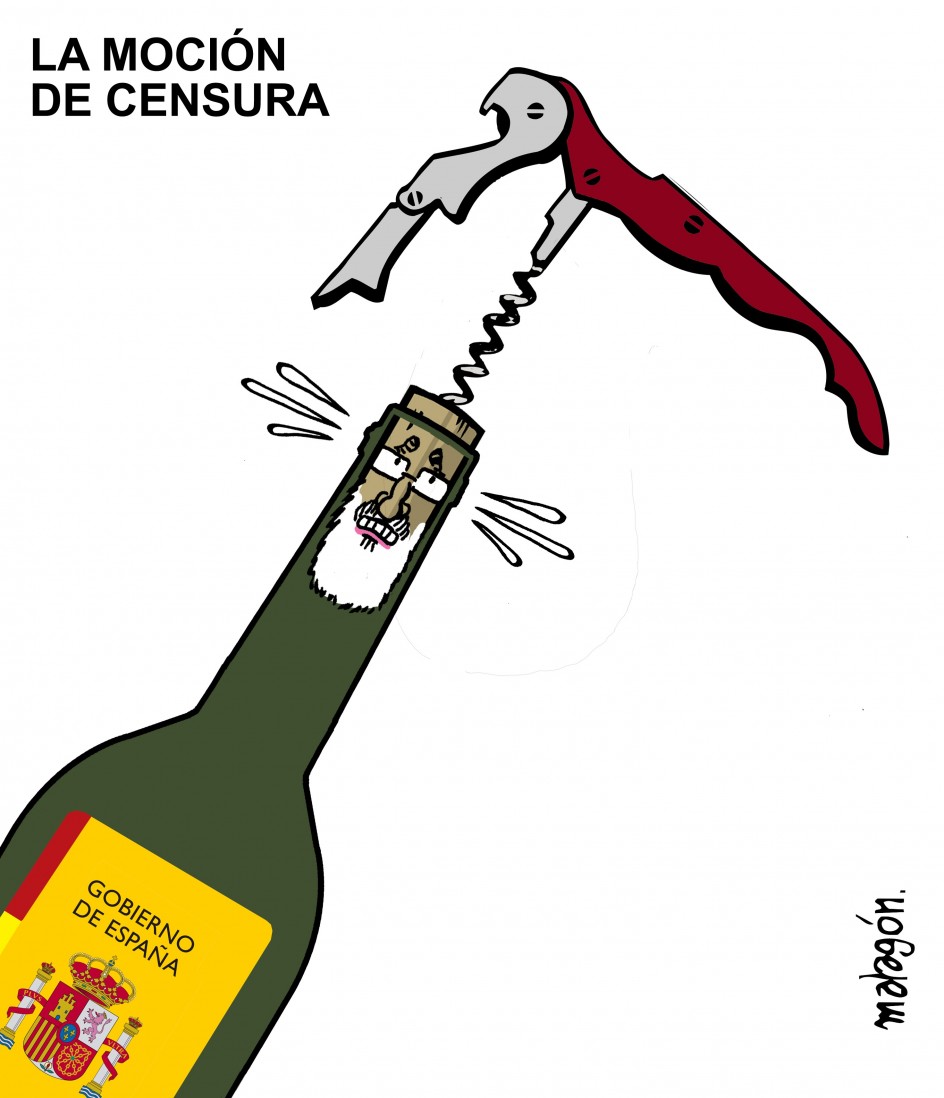
The European project that has been a gift to create peace among nations is under great threat. That project, with such Christian people as Robert Schuman (1886-1963) at the foundation, has been criticised as it developed into the EU. Certainly far from perfect, but if any demise will lead to a pulling back into self-protective borders, we might be regretting the jettisoning of the imperfect. I do not simply refer to the Brexit, but to the responses and tensions within the EU over how the humanitarian crisis is faced. And of course this is not just a European issue but one that is affecting the USA very acutely also.
I live as a privileged immigrant. We have food, we have legal, if not full status. Yet we have come not too different to many other immigrants who are arriving for external reasons. They are forced to come and many wish to make a contribution to the land. We are not here for external reasons, but by inner conviction and seek to make a contribution to the land. We pay our taxes here, and as a result pay significantly more than if we remained registered in the UK. Many come here as privileged immigrants, do not pay taxes and call themselves ex-pats. Those who act in that way are not under any great threat of expulsion from Spain or another similar country. They are, after all, only doing at a personal level what major institutions do at the global level. Finances and power give them the right to live / exploit where they want and when. We do not want that right, and many cast adrift on the Mediterranean of course do not come with finances or power… but if given the opportunity would make a home in the European lands and seek to make a contribution.
The EU is more likely to collapse as a result of the shutting up of borders to the outsider than it is simply post-Brexit. A number of years ago, long before the Brexit we were sent an open vision someone had while praying. She saw that a hand came and took the UK out of a European map. Then colour and light drained out of Europe. This was long before the Brexit and at a time when there was no-one predicting that the referendum would go the ‘leave’ route. We held it as the track record of the person is exceptionally high and noted that she said the Brexit referendum would be about the future of Europe. A number of us have travelled to the place where the colour and light disappeared in the hope that we could sow into the future. There was a second part of the vision also.
While in Prague we were told that most of the Eastern European countries are looking to tighten their borders. We were told this by believers who did not seem to see this as an issue. However, it is not just Eastern Europeans. There are very real issues that Italy and Greece face as most immigrants arrive in those lands and it is easy to criticise their actions of turning away mercy ships. If they turn away ships and other European nations turn away we have a problem.
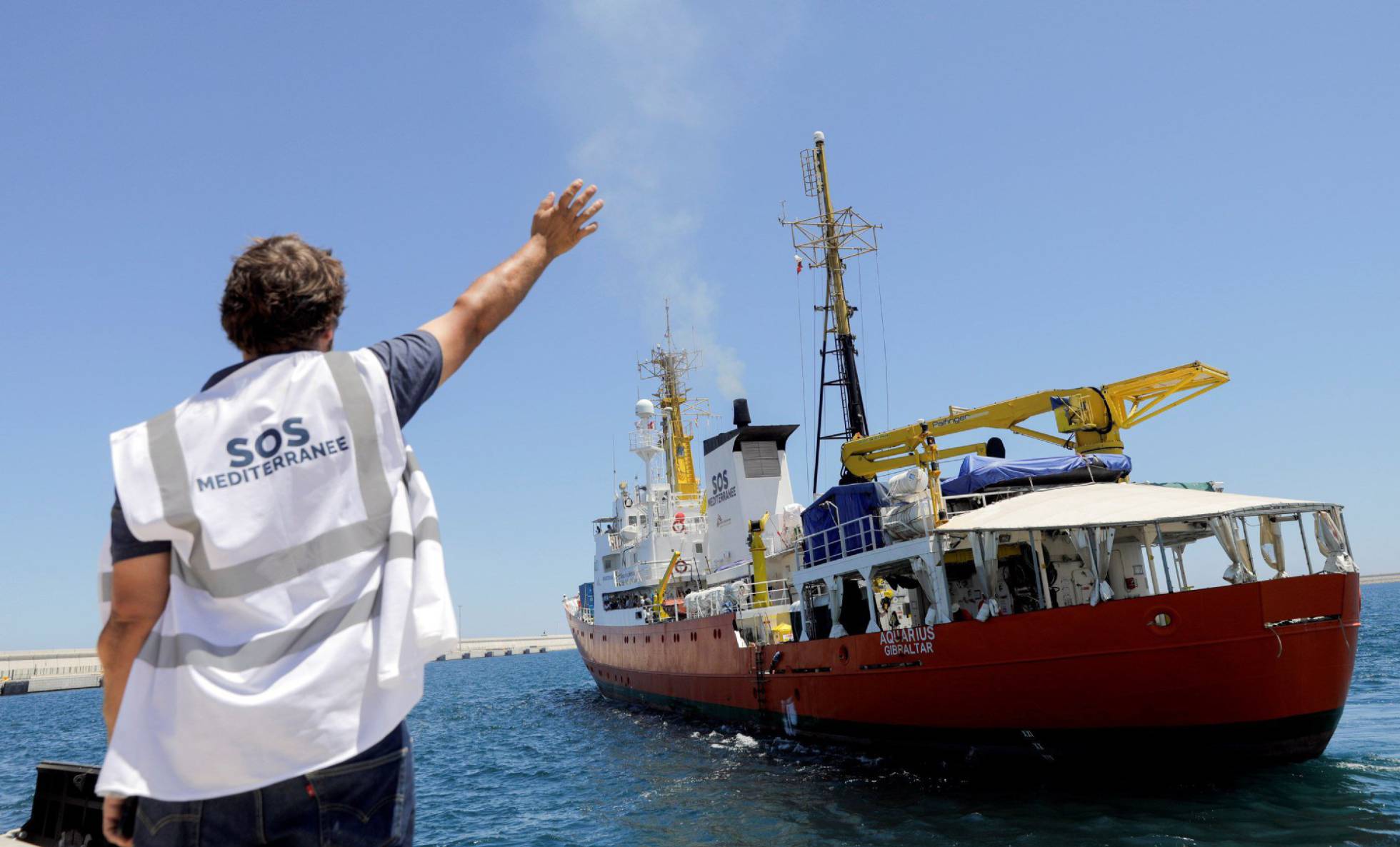
We are grateful that Spain (Valencia) welcomed the Aquarius (and two other ships) with 600+ rescued from the Mediterranean. Grateful that into a port that brutally shipped Spanish born Muslims in the 1600s it now welcomed some 400 years later others in return. This we have prayed for, ending in Gibraltar last year, and curiously the ship arrived under a Gibraltar flag!
There are very real issues being faced in the so-called developed West over immigration. However, we have contributed to the problem over decades. The supply of arms to these nations where the conflicts exist have meant countless thousands have been made homeless and lives put at risk is down to us. The wealth we have accumulated at the Southern hemisphere’s expense has likewise driven people this way. (And when in Prague, an ex-communist city, it was easy to see that there is no difference between capitalism in its dominant neo-liberal expression or communism. Both are servants of the evil of bio-power. Human resources are their fodder.)
We are not politicians, and they certainly need prayer for wisdom as to how to move forward as so much is at stake. We are not politicians but the Gospel does not allow us to think of the message of Jesus as non-political. We, as the body of Christ, and therefore some individuals within that body will have to step up, have to somehow hold open the space for the future. And in holding the space begin to speak some content into that. God created through holding space (to counter the ‘without form’) and then filled that space (to counter the ‘and empty’). We likewise have to hold space and this is vital at a time when there is the desire to collapse borders. The shape of the EU is not the issue but living as family across Europe is. The Pauline Gospel seems to drive us that way. Living in the one-world government era his one passion was to get to the extent of the borders. The Jews in Exile had a great opportunity to live out life in the imperial world of Babylon – but they hankered for the land and created the synagogue!
Can we hold the space? The lands are changing, and need to change. We have utterly failed in our stewardship of the lands, failing to be a resource to the rest of the world. We can only anticipate that there will be wholesale shifts of population. Can we hold the space for the new? This is not a time to allow small borders to shape the future. And in holding it can we begin to prophesy what will fill that space?
I hope, as a Brit, that the Brexit did not sow something into Europe of closing borders that is now being replicated in other nations. Maybe the Brexit had little to do with political shape and more to do with how open we will be to the other. If so something must begin in the body of Christ as we are called to be the salt of the earth. We will have to step up to hold back the pollution that rises so easily.
We can do so little. Gayle and I can live here as immigrants, love the land, refuse to live with a border mentality. We can begin there in response, but we know that will not in itself be enough. There will be more we will have to do, but we must start with what is in our hands.